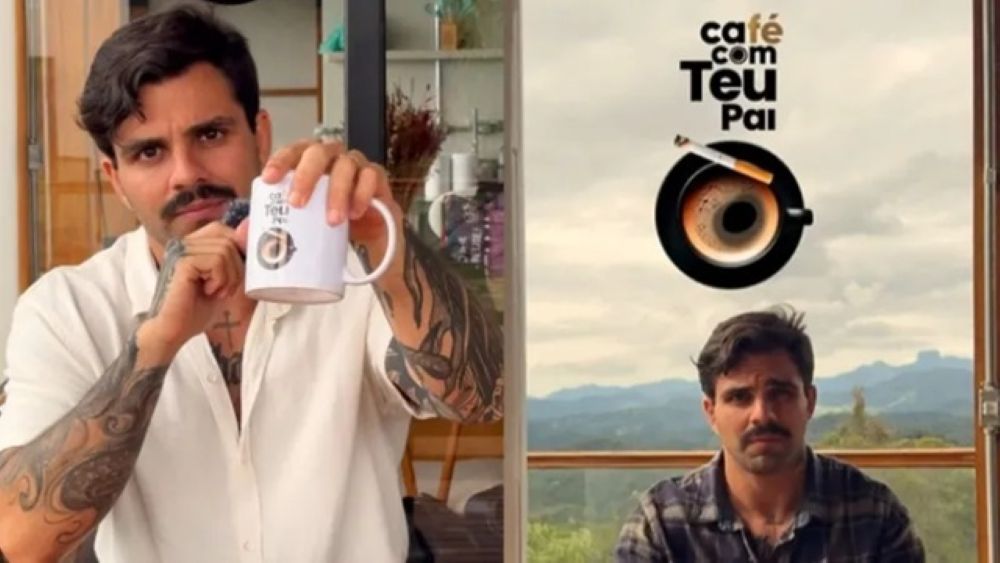
Influencer "Café com Teu Pai" Under MPF/PRF Investigation for Content and Conduct
The digital landscape, while offering unprecedented opportunities for connection and influence, also carries significant responsibilities. This truth has come sharply into focus with the recent news surrounding Breno Café Com Teu Pai, a prominent Brazilian social media influencer. Breno Faria, the creator behind the widely followed "Café com Teu Pai" channel, is currently under intense scrutiny, facing formal complaints lodged with both the MPF (Ministério Público Federal – Federal Public Ministry) and the corregedoria of the PRF (Polícia Rodoviária Federal – Federal Highway Police).
The serious allegations against Breno Faria stem from a formal denunciation filed on Wednesday, November 8th, by State Deputy Ediane Maria (Psol) and lawyer Natália Boulos. These prominent figures are spearheading a call for a comprehensive investigative process into the influencer, who boasts an impressive following of approximately 1 million users on Instagram alone. The core of the complaint encompasses a range of alleged transgressions, from the dissemination of content deemed misogynistic and discriminatory to potential administrative irregularities tied to his reported status as an active PRF officer. This dual nature of the accusations—involving both the substance of his online content and his professional conduct as a public servant—places Breno Faria in a uniquely challenging position, sparking a broader conversation about influencer accountability and the ethical boundaries of public figures in the digital age.
The Core Allegations: Misogyny and Discriminatory Content Fueling Controversy
At the heart of the investigation into Breno Café Com Teu Pai are serious accusations concerning the nature of his online content. The complaint specifically highlights videos and statements that are characterized as deeply misogynistic, defined as expressing "hate, contempt, aversion, or deep prejudice directed at women." The accusers detail how Breno Faria's content allegedly reinforces harmful gender stereotypes and promotes discriminatory views, drawing particular attention to comparisons between men and women in relationships that are depicted as fundamentally "unequal."
One of the most striking examples cited in the document, which UOL had access to, points to a clear double standard promoted by the influencer. It suggests that women with multiple partners are pejoratively labeled as 'vagabundas' (a derogatory term implying promiscuity and lack of moral standing), while men engaging in similar behavior are inexplicably valorized. This stark contrast, the denouncers argue, not only perpetuates a harmful societal imbalance but also contributes to the objectification of women through the use of "depreciative metaphors." The document explicitly states, "There are indications that the content produced by the reported party contributes to the dissemination of misogynistic and discriminatory discourses, potentiating practices of symbolic violence against women in a digital environment of wide reach."
The impact of such content, disseminated to an audience of millions, cannot be understated. In an era striving for gender equality and respect, content that explicitly demeans or discriminates against any group, particularly women, is seen as regressive and harmful. For influencers like Breno Faria, whose platforms are built on engagement and perceived authority, the responsibility to foster positive and inclusive discourse is paramount. Such allegations raise critical questions about the power of digital platforms to shape public opinion and the potential for influential voices to inadvertently (or intentionally) contribute to a culture of disrespect and inequality.
Beyond Content: Alleged Administrative Irregularities and Conflict of Interest
The scrutiny surrounding Breno Café Com Teu Pai extends beyond the controversial nature of his social media content to encompass serious allegations of administrative misconduct. A significant element of the complaint addresses Breno Faria's purported dual role as both a high-profile influencer and an active officer of the Polícia Rodoviária Federal (PRF). This intersection of public service and private enterprise forms the basis for claims of "irregular business activity," "misuse of social media," and a potential "conflict with the cargo público" (public office).
The core of this aspect of the complaint alleges that Faria may be violating regulations that prohibit active public servants from dedicating themselves to other careers, managing private companies, or engaging in commerce. For public officers like those in the PRF, strict ethical codes govern external activities to prevent conflicts of interest, ensure impartiality, and guarantee that their official duties remain their primary focus. Running a large-scale influencer channel and potentially monetizing it could be seen as a direct breach of these regulations, diverting time and resources that should be dedicated to public service.
Furthermore, the "misuse of social media" could refer not only to the content itself but also to the perceived leveraging of his public position, however subtly, to build his personal brand or to give undue credibility to his opinions. While the name "Café com Teu Pai" might seem benign, some reports have noted its resemblance to the popular religious-themed works "Café com Deus Pai," clarifying that Breno Faria's channel is entirely unrelated to those works. This distinction is important, yet the potential for confusion or perceived alignment with established, respected brands only underscores the need for clarity and ethical conduct for influencers, especially those holding public office.
The implications of these allegations are significant. If confirmed, they could not only lead to severe professional repercussions for Breno Faria within the PRF but also establish a precedent for how public servants engage with and benefit from social media. It underscores the vital importance of clear boundaries between public duty and personal gain, highlighting the ethical tightrope walk many public figures must navigate in the increasingly blurred lines of the digital age. For more context on these specific allegations, you can read about how PRF Officer Breno Faria is Accused of Misogyny and Irregular Business.
Calls for Investigation and Potential Consequences
The seriousness of the allegations against Breno Café Com Teu Pai is underscored by the explicit demands made by State Deputy Ediane Maria and lawyer Natália Boulos to the MPF and PRF corregedoria. Their formal complaint is not merely an expression of discontent but a direct call for decisive action. Specifically, they have requested:
- Instauration of an investigative procedure: This means a formal and thorough inquiry into all the facts narrated in the denunciation.
- Apuração das eventuais infrações administrativas: An investigation into any administrative infractions resulting from Breno Faria's conduct, specifically regarding his status as a PRF officer.
- Adoção das medidas cabíveis para responsabilização do agente: Implementation of appropriate measures for accountability, should the irregularities be confirmed.
- A exoneração do agente: The ultimate consequence requested, if the indications of illegality are confirmed, is Breno Faria's removal from his position as a PRF officer.
These demands highlight the gravity of the situation and the potential far-reaching consequences for the influencer. An investigation by the MPF could lead to civil or even criminal proceedings if illegalities are found, while a PRF corregedoria inquiry could result in disciplinary actions ranging from warnings to suspension or, most severely, dismissal from public service. The potential loss of his public office, if proven guilty of administrative infringements, would represent a significant blow to his career and reputation.
In response to the growing public outcry and the formal complaints, Breno Café Com Teu Pai reacted on his own social media channels, offering a defiant message: "Incomodar alguns lados é a certeza de estar no caminho certo. Do lado de cá estão as pessoas que querem construir um futuro bacana ao lado de alguém. E do lado de lá? Bom… preciso falar algo?" (To bother some sides is the certainty of being on the right path. On this side are the people who want to build a cool future with someone. And on the other side? Well… do I need to say anything?). This statement suggests a belief in the righteousness of his content and his stance, framing the criticism as a validation of his 'mission' rather than an acknowledgment of potential wrongdoing.
The UOL news outlet, which first broke parts of this story, reported attempts to contact the MPF, PRF, and the influencer himself for comment, but had not received a response at the time of publication. The silence from official channels and the influencer's defiant retort further amplify the tension surrounding this high-stakes investigation. This case is not just about one influencer; it's a significant test case for how accountability is enforced in the digital sphere, especially when it involves public figures holding positions of public trust. For a deeper dive into the specific accusations related to his content, consider reading "Café com Teu Pai" Influencer Breno Faria Denounced for Misogyny.
The Wider Debate: Influencer Ethics and Digital Responsibility
The case of Breno Café Com Teu Pai casts a stark light on the broader ethical challenges facing the influencer industry and the urgent need for digital responsibility. As platforms grant individuals unprecedented reach, the power to shape public opinion and influence behavior comes with a commensurate duty to act ethically. When influencers wield such power irresponsibly, particularly by promoting discriminatory or harmful content, the ripple effects can be detrimental to societal progress.
This situation serves as a critical reminder for all content creators: your platform carries weight. Understanding your audience, anticipating the impact of your words, and adhering to legal and ethical standards are not merely suggestions but fundamental requirements for sustainable and responsible influence. For platforms themselves, this case highlights the continuous pressure to develop and enforce robust community guidelines, providing effective reporting mechanisms and consistently acting against content that incites hate or discrimination.
For consumers, the controversy surrounding Breno Faria emphasizes the importance of critical content consumption. In a world saturated with information, discerning between informative content and biased or harmful narratives is crucial. Reporting content that violates platform standards or promotes hate speech is an active step towards fostering a more respectful and inclusive digital environment. The ongoing investigation into Breno Faria is a testament to the fact that while digital boundaries may seem limitless, legal and ethical frameworks still apply, holding public figures accountable for their actions both online and offline.
Conclusion
The ongoing investigation into Breno Café Com Teu Pai, Breno Faria, represents a pivotal moment in the discourse surrounding influencer accountability and the ethical conduct of public servants in the digital realm. Faced with grave accusations of misogynistic content and administrative irregularities stemming from his alleged dual role as an influencer and an active PRF officer, Faria's actions are under intense scrutiny by both the Federal Public Ministry and the Federal Highway Police. The outcome of these investigations will not only determine Breno Faria's future but will also likely set important precedents for how digital creators and public figures are held responsible for their online narratives and professional conduct.
As the legal and administrative processes unfold, this case serves as a powerful reminder of the immense responsibility that accompanies a large social media platform. It underscores the critical need for content creators to prioritize ethical considerations, promote inclusive dialogue, and adhere to the highest standards of integrity, especially when their personal brand intersects with public service. The digital age demands a new level of accountability, and the "Café com Teu Pai" controversy is a compelling illustration of its growing importance.